Recognizing the signs of gambling addiction A guide to awareness and support
Understanding Gambling Addiction
Gambling addiction, also known as compulsive gambling or pathological gambling, is characterized by an uncontrollable urge to gamble despite the negative consequences. This behavior can lead to financial ruin, strained relationships, and emotional distress. Individuals often begin gambling for enjoyment or as a means to escape stress, but over time, it can evolve into a compulsion that disrupts daily life. Recognizing this transformation is crucial for timely intervention. Today, platforms like the Dudespin platform offer various gaming options, which can make it easier for some to fall into addiction.
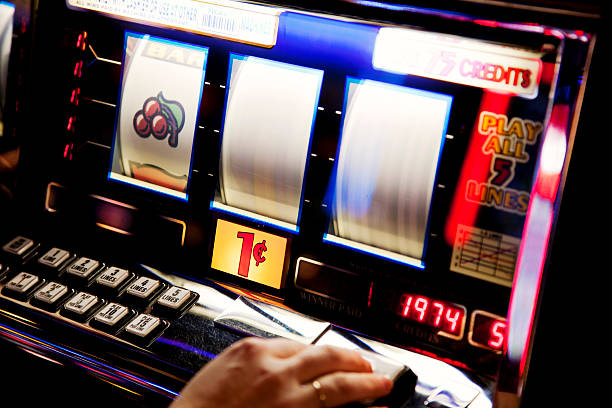
Common triggers for gambling addiction include environmental influences, personal struggles, and the thrill of winning. Many individuals may not realize they have crossed the line from casual gambling to addiction until it’s too late. Therefore, awareness and education about the signs of gambling addiction are vital in fostering a supportive community that encourages help-seeking behavior. Understanding the psychological and emotional drivers behind this addiction can lead to better prevention and treatment strategies.
Moreover, gambling addiction affects not just the individual but also their loved ones. Families may experience emotional turmoil and financial strain due to the gambler’s behavior. It can lead to feelings of shame, anger, and helplessness among family members. Recognizing the pervasive effects of gambling addiction can foster a more empathetic approach to support those affected, promoting an environment where help is readily available and encouraged.
Identifying the Warning Signs
Recognizing the warning signs of gambling addiction is essential for early intervention. Common indicators include preoccupation with gambling, increased tolerance, and withdrawal symptoms when not gambling. Individuals may spend excessive amounts of time thinking about gambling or planning their next gaming session, which can interfere with work and personal relationships. These compulsive thoughts often lead to neglecting responsibilities, as the need to gamble overshadows other important aspects of life.
Another significant warning sign is the tendency to gamble with escalating amounts of money. Initially, individuals may start with small bets, but as the addiction deepens, they may feel compelled to wager larger sums to experience the same level of excitement. This behavior often leads to severe financial issues, including debt, bankruptcy, or theft, as individuals seek ways to fund their gambling habits. The relentless pursuit of losses can create a vicious cycle that is difficult to break.
Emotional changes are also prevalent among those struggling with gambling addiction. Individuals may experience mood swings, increased irritability, or anxiety when they are not gambling. They may also resort to gambling as a way to cope with stress, depression, or feelings of inadequacy. Recognizing these emotional cues can provide critical insights into the individual’s mental state and underline the importance of offering support and understanding to those affected.
The Impact on Relationships
The ramifications of gambling addiction extend beyond the individual, profoundly impacting relationships with family, friends, and colleagues. Trust is often eroded as the gambler may lie about their habits or hide the extent of their losses. This deception can lead to resentment and conflict, making it challenging for relationships to thrive. Family members often feel the weight of financial instability, which can exacerbate existing tensions and lead to breakdowns in communication.
In particular, the Dudespin casino Canada can be a source of entertainment for many, but it can also be a trap for those at risk of addiction. Partners of individuals struggling with gambling addiction frequently report feelings of betrayal, anger, and helplessness. They may find themselves in situations where they must conceal the financial reality from others or even face isolation due to stigma. The emotional burden can lead to mental health challenges, including anxiety and depression, for both the gambler and their loved ones. It is crucial for families to recognize that they, too, need support while navigating the complexities of this addiction.
Moreover, the impact on social relationships can be significant. Gamblers may withdraw from social activities that do not involve gambling or feel alienated from friends who do not understand their struggle. Over time, this isolation can contribute to feelings of loneliness and despair. Encouraging open dialogue about the challenges of gambling addiction can help break down barriers and promote healing, fostering a supportive environment where individuals feel safe to seek help.
Seeking Help and Support
Seeking help for gambling addiction is a vital step towards recovery. Professional treatment options include therapy, support groups, and counseling. Cognitive-behavioral therapy (CBT) is particularly effective, as it addresses the underlying thought patterns and behaviors associated with gambling addiction. Through therapy, individuals can develop coping strategies, build resilience, and learn to manage triggers that may lead to gambling urges.
Support groups also play a crucial role in recovery, providing a community of individuals who share similar experiences, which could include those who enjoy Dudespin casino games. Organizations such as Gamblers Anonymous offer a safe space for individuals to discuss their struggles, share their successes, and receive encouragement from others who understand their plight. This sense of community can be invaluable in the recovery process, fostering accountability and connection.
Moreover, family involvement can enhance the support system for the individual seeking help. Family therapy can address the dynamics affected by gambling addiction, allowing loved ones to express their feelings and work towards rebuilding trust. Education for family members about the addiction can empower them to provide better support and understanding, creating a more comprehensive recovery environment for the individual.

Resources and Online Support
In today’s digital age, various online resources provide support for individuals struggling with gambling addiction. These platforms offer information about the signs of addiction, as well as access to professional help and support groups. Many websites provide educational materials and tools to help individuals assess their gambling behaviors, offering valuable insights into whether they may need assistance.
Online forums and communities have also emerged, allowing individuals to connect anonymously with others facing similar challenges. This digital support can be particularly beneficial for those hesitant to seek help in person. Engaging with a community online can foster a sense of belonging, which is essential for recovery. Moreover, many online resources provide tools for self-exclusion from gambling sites, helping individuals take immediate action to curb their gambling habits.
Additionally, mental health hotlines and chat services are available for those in crisis. These resources provide immediate support and guidance, ensuring that individuals have access to help when they need it most. As awareness grows about gambling addiction, it is crucial that accessible resources continue to evolve, ensuring that everyone struggling with this addiction has the opportunity to find support and embark on their journey to recovery.